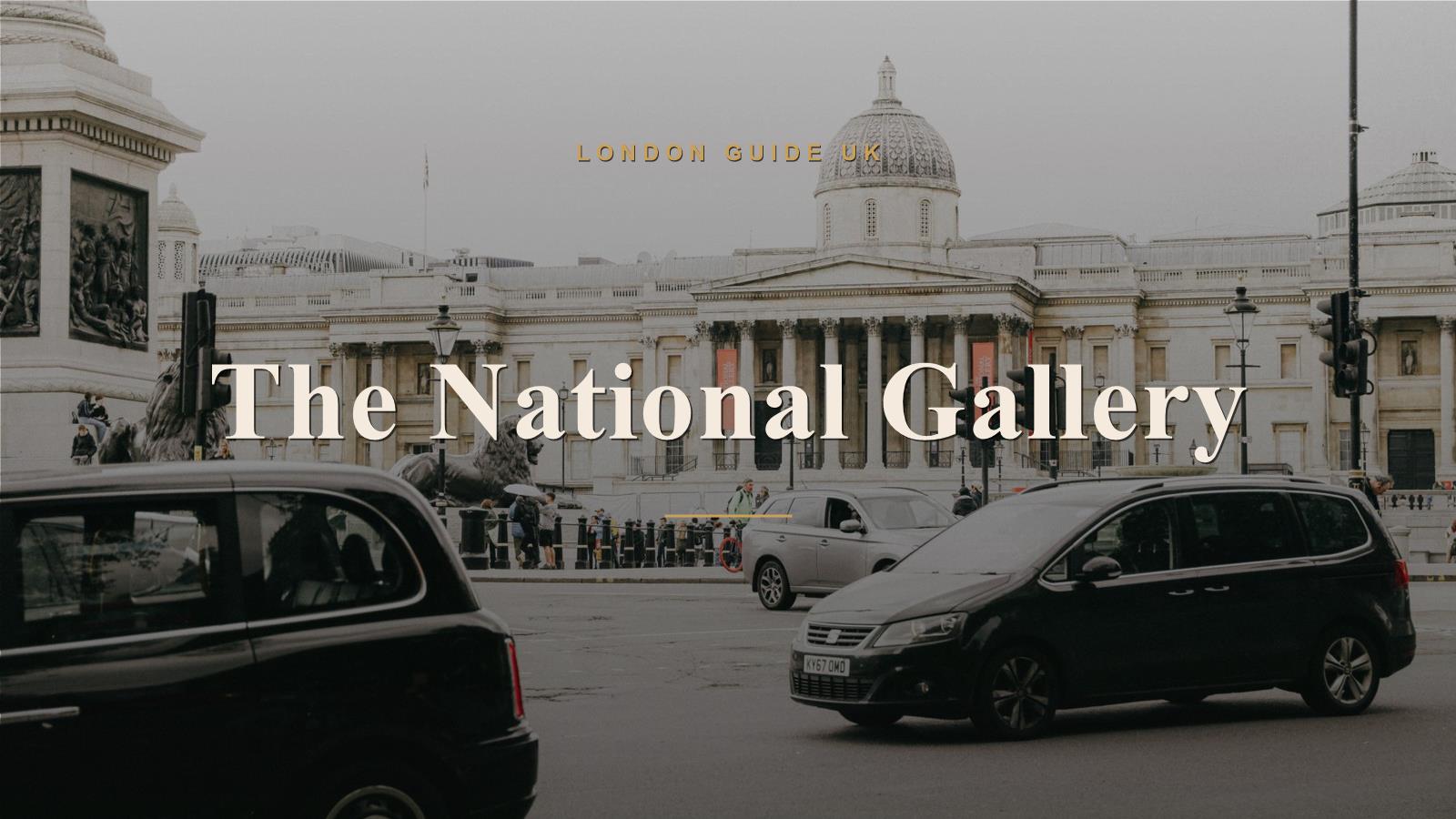
Standing sentinel over the north side of Trafalgar Square, The National Gallery houses one of the world's greatest collections of European painting, gathered in a single grand sweep from the medieval period to the early twentieth century. Founded in 1824 and free to enter, it is among the most visited art museums on earth, and for any traveller to London it offers an extraordinary thing: an unhurried encounter with some of the most celebrated pictures ever made, at no cost, in the very heart of the city.
Why visit The National Gallery
The National Gallery lets you stand before genuine masterpieces by Leonardo, Van Gogh, Turner and Vermeer in a few hours, entirely free, on London's most famous square. Few museums anywhere combine such depth with such accessibility. The collection is comparatively compact and chronologically arranged, so even a single visit feels coherent rather than overwhelming, rewarding both the seasoned gallery-goer and the curious first-timer.
Unlike sprawling encyclopaedic institutions, the Gallery concentrates on the Western European tradition of painting, roughly 1250 to 1900. That focus is its strength. You can trace the entire arc of the art, from gold-ground altarpieces to the first stirrings of modern colour, walking from one room to the next as the centuries turn. The building itself, with its grand staircases and skylit galleries, is part of the pleasure.
What to see
The collection numbers more than two thousand paintings, but a handful of works draw visitors from around the world. If your time is limited, seek out these celebrated highlights.
- Sunflowers by Vincent van Gogh, among the most recognised images in Western art.
- The Fighting Temeraire by J.M.W. Turner, a luminous meditation on a warship being towed to be broken up.
- The Ambassadors by Hans Holbein the Younger, famous for its disguised, distorted skull.
- The Virgin of the Rocks by Leonardo da Vinci, one of two versions the artist painted.
- The Hay Wain by John Constable, an enduring vision of the English countryside.
- The Rokeby Venus by Diego Velazquez, the artist's only surviving female nude.
- The Arnolfini Portrait by Jan van Eyck, a marvel of early Netherlandish detail.
- Works by Vermeer, Rembrandt, Caravaggio, Botticelli, Titian and the French Impressionists.
The Gallery also stages major temporary exhibitions throughout the year, which usually carry a separate admission charge. These often bring together loans from around the world and are well worth checking before you arrive.
How to visit
The National Gallery occupies the north side of Trafalgar Square in the WC2 postcode, directly above the square's fountains and lions. Entry to the permanent collection is free, though some special exhibitions require a ticket. For current opening hours, late openings, exhibition tickets and any visitor guidance, check the official website before you set out, as these details change.
The nearest Underground stations are Charing Cross (Northern and Bakerloo lines), a two-minute walk away, and Leicester Square (Northern and Piccadilly lines). Embankment and Piccadilly Circus are also within easy reach, and Charing Cross mainline station sits immediately to the south. Numerous bus routes serve Trafalgar Square. Allow at least two hours for a first visit, and consider arriving early to enjoy the most popular rooms before they fill. Free maps and floor plans help you find the headline works quickly.
What's nearby
Few spots in London are so richly surrounded. The National Portrait Gallery stands immediately behind, while St Martin-in-the-Fields church anchors the square's eastern corner. A short walk down Whitehall leads to the seat of British government, and a stroll through Admiralty Arch brings you onto The Mall and towards Buckingham Palace. Covent Garden, the theatres of the West End and the bookshops of Charing Cross Road are all minutes away on foot, making the Gallery an ideal anchor for a day of central London sightseeing among the city's great London attractions.
The National Gallery FAQ
Is The National Gallery free to enter?
Yes. Entry to the permanent collection, which includes the most famous paintings, is free of charge for all visitors. Major temporary exhibitions usually carry a separate admission fee. Because ticketing arrangements and any timed-entry requirements can change, it is worth confirming details on the official website before you visit.
How long should I spend there?
Allow at least two hours to take in the highlights at a comfortable pace, and a half-day if you wish to explore more fully. The collection is arranged chronologically, so you can follow it room by room or head straight for specific masterpieces. Many visitors return more than once, as admission to the main galleries is free.
What is the nearest Underground station?
Charing Cross station, on the Northern and Bakerloo lines, is the closest, roughly two minutes on foot. Leicester Square, on the Northern and Piccadilly lines, is also very near, as are Embankment and Piccadilly Circus. The Gallery sits on Trafalgar Square, so it is well served by numerous bus routes too.
Can I take photographs inside?
Photography for personal use is generally permitted in the permanent collection, though flash, tripods and selfie sticks are typically not allowed, and special exhibitions may have their own rules. Policies can change, so look for signage on the day or check the official website. Always be mindful of other visitors when taking pictures.
Plan your visit
Make the most of the area by pairing your visit with our wider guides. Browse more of London's great museums and galleries, plan a full day around the West End with our things to do in London, and find your bearings with our guide to the surrounding London neighbourhoods.