Last updated:
London holds one of the densest concentrations of serious kitchens in the world, where tasting menus run to a dozen courses, service is choreographed to the minute, and the cooking ranges from classical French to radical British and refined Japanese. This guide is for the discerning visitor who wants to spend an evening at the top of London's culinary ladder, whether that means a temple of haute cuisine in Mayfair or a quietly brilliant kitchen tucked into a Soho townhouse.
What counts as fine dining in London
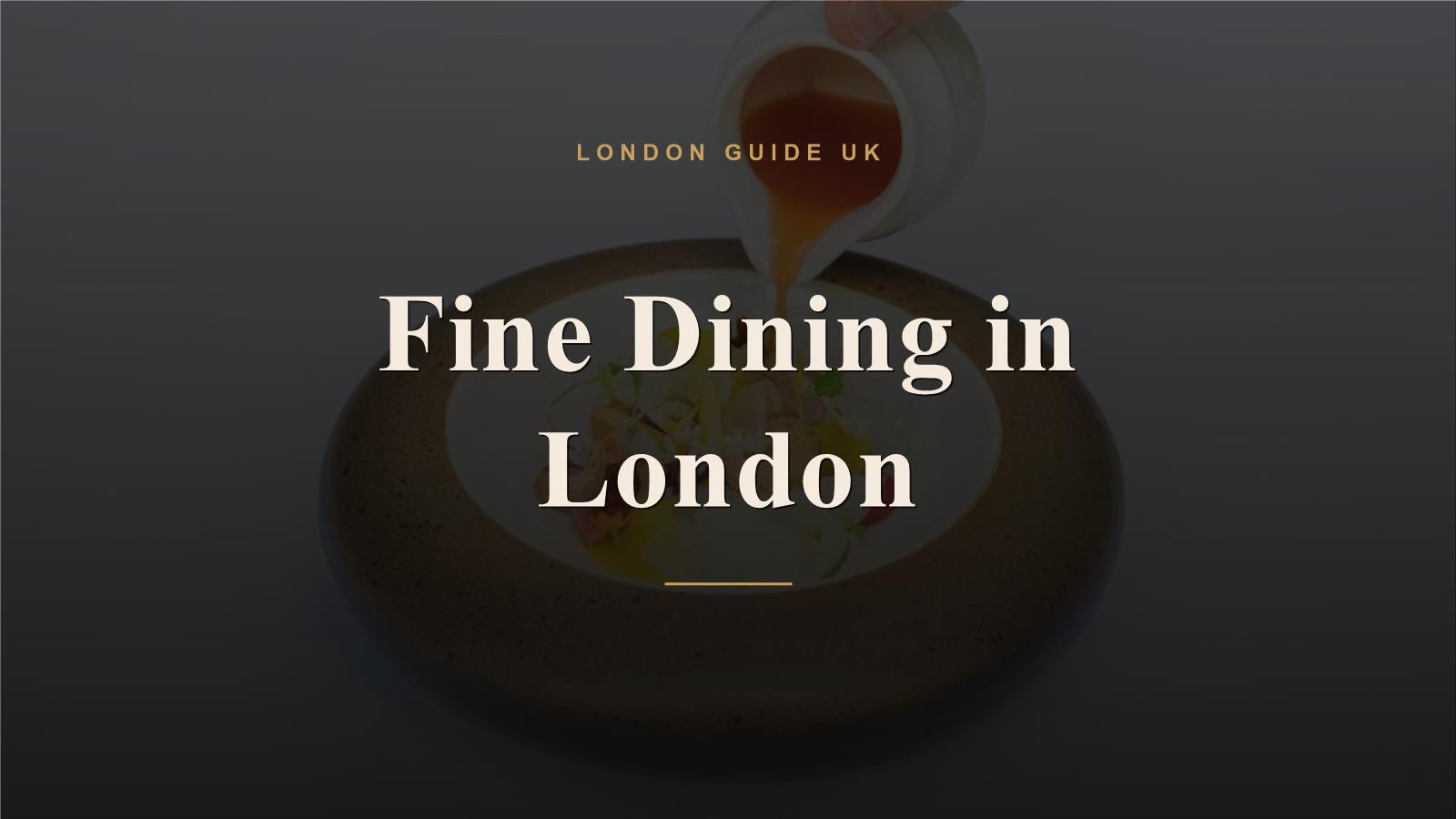
Fine dining in London means restaurants built around precise, ambitious cooking, attentive service and a considered room, usually presented as a multi-course tasting menu or a tightly edited a la carte. It spans grand hotel dining rooms, chef-led destinations and intimate counters, with cuisines from French and British to Japanese, Indian and Nordic-influenced.
The label is broad, so it helps to know what you are choosing between. At the most formal end sit the long-established dining rooms where the silver gleams and the wine list runs to many pages. Alongside them, a generation of chef-led restaurants has redefined what luxury looks like, often in smaller, more design-led spaces.
- Grand classical rooms, often inside historic hotels, with full a la carte and trolley service.
- Chef-led destinations focused on a single tasting menu and a clear point of view.
- Chef's counters where you watch the kitchen work a few seats away.
- Modern British and produce-led kitchens that treat the seasons as the menu.
Where London's best kitchens cluster
The greatest concentration of fine dining sits in Mayfair and St James's, where wealth, hotels and history meet, but excellent kitchens are spread across Soho, Fitzrovia, Chelsea, Marylebone and increasingly the City and the East End. Knowing the geography helps you pair a reservation with the rest of your day.
For visitors, neighbourhood matters as much as the menu. A dinner in Mayfair pairs naturally with an afternoon at the galleries and shops nearby, while a Soho or Fitzrovia table sits within walking distance of theatreland.
- Mayfair and St James's: the heartland of grand and hotel-based dining, served by Green Park and Bond Street stations.
- Soho and Fitzrovia: chef-led rooms close to the West End theatres, reached via Tottenham Court Road and Oxford Circus.
- Chelsea and Knightsbridge: refined dining near the museum quarter, on the Piccadilly and District lines.
- The City and Shoreditch: modern, ambitious kitchens that come alive in the evenings.
Tasting menus and how they work
A tasting menu is a set sequence of small courses chosen by the kitchen, designed to show its range and build a narrative across the meal. Expect anywhere from six to more than a dozen courses, an optional wine pairing, and a commitment of two to three hours or more at the table, so plan the evening around it.
Tasting menus reward a relaxed pace and an open mind. Most kitchens will adapt for dietary needs if you tell them when you book, and many offer a non-alcoholic pairing alongside the wine flight. A few practical points make the experience smoother.
- Flag allergies, intolerances and strong dislikes at the time of booking, not on arrival.
- Allow a generous window; a long tasting menu rarely suits a pre-theatre dash.
- Consider the wine pairing for variety, or ask the sommelier to build something to taste.
- Lunch sittings often deliver the same kitchen at a gentler pace and value.
Booking, dress and etiquette
The most sought-after tables open for reservation weeks or months ahead and can sell out within minutes, so book as early as your dates allow and confirm the cancellation policy. Smart dress is expected at the grander rooms, deposits or card details are routine, and punctuality matters when a kitchen is running a timed menu.
A little preparation protects your evening. Many leading restaurants release tables on a rolling basis, so it is worth checking again if your first attempt is full. When you do secure a table, a few conventions are worth knowing.
- Read the dress code; jackets are still expected in some classical dining rooms.
- Honour the booking time, as late arrivals can lose courses on a set menu.
- Expect a deposit or card guarantee, and note the cancellation window.
- Service is usually included at this level, so check the bill before adding more.
Fine dining for the curious visitor
You do not need a special occasion or a bottomless budget to taste London at its best, because set lunches and counter seats open the door at a gentler price. Treat a great meal as part of your sightseeing, pairing a midday tasting menu with an afternoon of culture or a leisurely walk through one of the city's grand neighbourhoods.
Some of the most rewarding experiences come from approaching fine dining as you would a museum or a theatre, as a planned highlight of the trip. A chef's counter, in particular, turns dinner into a piece of theatre in its own right, with the cooking unfolding in front of you.
- Book a set lunch to experience a flagship kitchen for considerably less than dinner.
- Choose a counter seat if you enjoy watching technique up close.
- Pair a Mayfair dinner with the nearby galleries and the green spaces of the royal parks.
- Build a full day with one of our suggested routes through the city.
Fine Dining in London FAQ
How far in advance should I book fine dining in London?
Book the most in-demand restaurants as early as you can, ideally several weeks to a few months ahead, especially for weekend evenings. Many kitchens release tables on a rolling basis, so check again closer to your dates if you miss out, and always note the cancellation policy when you confirm.
Is there a dress code at London's fine dining restaurants?
It varies by venue. The grandest classical dining rooms still expect smart dress, and a jacket is sometimes required for men, while many modern chef-led restaurants are more relaxed and welcome smart-casual attire. When in doubt, check the restaurant's stated dress code at the time of booking.
Can fine dining restaurants cater for dietary requirements?
Most leading kitchens accommodate allergies, intolerances and preferences such as vegetarian or vegan dining, provided you give notice when you book rather than on arrival. Set tasting menus need lead time to adapt, so the earlier you flag any requirements, the more thoughtfully the kitchen can respond.
Is lunch a good way to try fine dining for less?
Yes. Many flagship restaurants offer a shorter set lunch that showcases the same kitchen at a gentler pace and price than the full evening menu. Lunch sittings are also easier to book and leave the rest of the day free for sightseeing, making them ideal for visitors.
Which London neighbourhood has the most fine dining?
Mayfair has the greatest concentration of fine dining, with grand hotel dining rooms and chef-led destinations clustered together, followed by neighbouring St James's. Excellent kitchens are also found across Soho, Fitzrovia, Chelsea, Marylebone and, increasingly, the City and East End.
Where to go next
Continue planning your meals across the city with our restaurants guide, or focus your search with these companion features.
- Explore the city's starred kitchens in our guide to Michelin-star restaurants in London.
- See where the big names cook in our round-up of celebrity chef restaurants in London.
- Browse the full picture with our pick of the best restaurants in London.