Last updated:
London does luxury hotels like nowhere else, layering Edwardian grandeur, royal proximity and serious modern service into a handful of addresses that justify their reputation. This guide is for the discerning visitor choosing where to base a stay around the city's great sights, museums and shopping, and wanting to understand what genuinely distinguishes each top-tier hotel beyond the marble lobby.
What counts as a luxury hotel in London
A true London luxury hotel combines a prestigious location, a high ratio of staff to guests, generously proportioned rooms and a distinct sense of place. It is not simply a five-star rating but the consistency of service, the quality of the address and a heritage or design identity that the city's grandest houses have spent decades, sometimes more than a century, refining.
The capital's finest hotels tend to share a few traits worth weighing before you book:
- A landmark location within walking distance of major sights or shopping districts
- Discreet, knowledgeable concierge teams who can open doors across the city
- Spacious rooms and suites, often a rarity at the price in central London
- A defining character, whether historic grand dame, design-led newcomer or quietly residential
The historic grand dames
London's grand dames are the century-old hotels that effectively invented the modern luxury stay, prized for their pedigree, their location and their place in the city's social history. Names like The Savoy, Claridge's, The Connaught, The Ritz London and The Dorchester set the standard that newer arrivals still measure themselves against.
Each has a clear identity. The Savoy, perched between the Strand and the river, is the theatreland classic with its famous Art Deco interiors. Claridge's in Mayfair is the quietly grand choice long associated with visiting royalty and Art Deco elegance. The Connaught is the most discreet and residential of the set, while The Ritz London on Piccadilly remains the byword for old-world formality beside Green Park. The Dorchester looks across Hyde Park from Park Lane.
The newer five-star arrivals
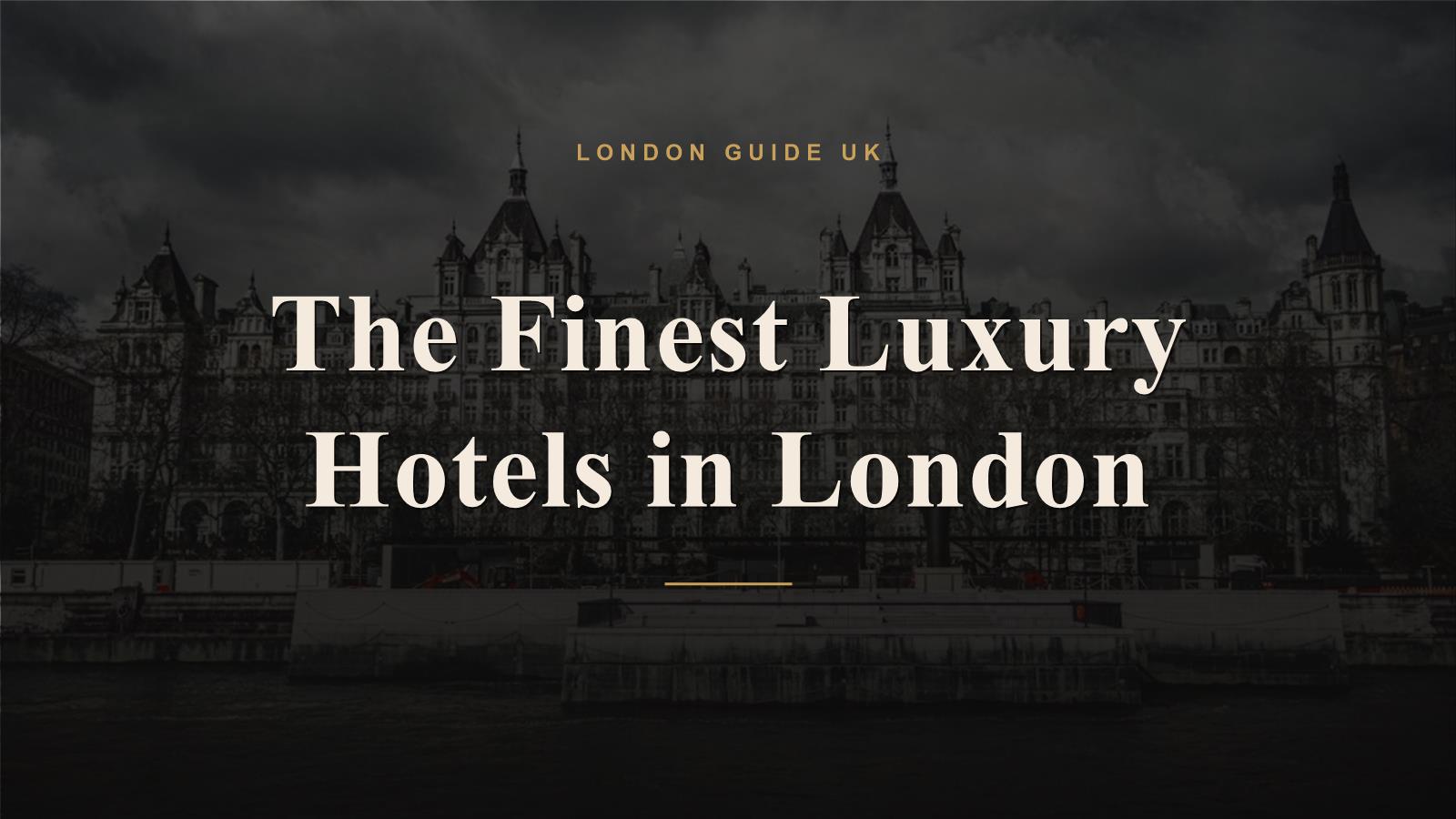
A wave of design-led hotels has reshaped the top tier, bringing contemporary architecture, destination spas and global brand polish to landmark buildings. The Bvlgari Hotel London in Knightsbridge, The Peninsula London at Hyde Park Corner, the Raffles London at The OWO in the former War Office on Whitehall, and The Berkeley represent the city's modern luxury, often pairing heritage shells with sleek interiors.
These newer names tend to suit visitors who want the latest in wellness facilities and technology alongside a prime address. The Raffles London at The OWO is especially notable for visitors interested in history, occupying a Grade II listed Edwardian landmark steps from Horse Guards and St James's Park. For more on the area's hotels, see our guide to Knightsbridge hotels.
Choosing by neighbourhood
Where you stay shapes your whole trip, so match the neighbourhood to your priorities. Mayfair and St James's suit shopping and gallery visitors, Knightsbridge pairs department stores with the great South Kensington museums, Covent Garden and the Strand put you in theatreland, and Belgravia offers quiet grandeur within easy reach of the parks and Buckingham Palace.
- Mayfair and St James's for Bond Street shopping, art galleries and Green Park
- Knightsbridge for Harrods, Hyde Park and the South Kensington museums
- Covent Garden and the Strand for West End theatre and the river
- Belgravia and Park Lane for residential calm beside the royal parks
If a particular district appeals, our neighbourhoods guide sets out what each part of central London is like to stay in and explore on foot.
What your money actually buys
At this level you are paying for service, space and location rather than gadgets. The differences that matter are a concierge who can secure restaurant tables and theatre seats, room sizes well above the central London average, twenty-four-hour service, and the intangible reassurance of a hotel that has hosted demanding guests for generations and rarely puts a foot wrong.
Practical points worth confirming directly with any hotel before booking:
- Whether breakfast and service charges are included in the rate
- Room category and aspect, as park or river views command a premium
- Spa, pool and fitness access, which varies widely between the grand dames
- Cancellation terms, which tend to be stricter at the top end
Getting there and getting around
Almost every great London hotel sits within a short walk of an Underground station, which makes car-free sightseeing easy. Mayfair and Piccadilly hotels are served by Green Park station on the Jubilee, Piccadilly and Victoria lines, Knightsbridge has its own Piccadilly line stop, and the Strand sits beside Charing Cross and Embankment for the Northern, Bakerloo and District lines.
From the airports, the Elizabeth line and Heathrow Express reach central London quickly, and most luxury hotels can arrange a car if you prefer a door-to-door transfer. Once settled, you will find the major museums, parks and shopping streets are genuinely walkable from any of the central addresses above.
The Finest Luxury Hotels in London FAQ
Which area is best for a first luxury stay in London?
Mayfair is the classic choice for a first luxury stay, central to Bond Street shopping, art galleries and Green Park while remaining quiet and well connected. Knightsbridge is the strong alternative if museums and Harrods are your priority, putting Hyde Park and South Kensington within an easy walk.
What is the difference between a grand dame and a newer five-star hotel?
Grand dames such as The Savoy and Claridge's offer heritage, traditional service and a deep sense of London history. Newer arrivals like The Peninsula London and the Bvlgari Hotel London lead on contemporary design, large destination spas and the latest in-room technology, often within restored landmark buildings.
Are London's luxury hotels good for sightseeing on foot?
Yes. The finest hotels cluster in central districts within walking distance of the royal parks, major museums and the West End. From Mayfair, Knightsbridge or the Strand you can reach Buckingham Palace, the South Kensington museums and theatreland on foot, with Underground stations nearby for anything further afield.
Do luxury London hotels have spas and pools?
It varies considerably. Many newer arrivals built large spas and pools into their design, while several historic grand dames have more limited wellness facilities owing to their period buildings. Always confirm spa, pool and fitness access directly if these matter to your stay, as offerings differ widely across the top tier.
When is the best time to book a top London hotel?
Book well ahead for peak periods such as summer and the festive season, when the best rooms and suites at the leading hotels fill early. Quieter weeks in late winter and early spring can offer better availability and value, though the very top addresses stay in demand year round.
Where to go next
Continue planning your stay with these related guides:
- Browse the full London hotels hub for every category and district
- Compare the city's leading addresses in our guide to 5-star hotels in London
- For wellness-focused stays, see our spa hotels in London guide
- Prefer somewhere smaller and characterful? Read our boutique hotels in London guide
Planning a high-end trip? See our guide to luxury London, part of our London for every traveller series.