Last updated:
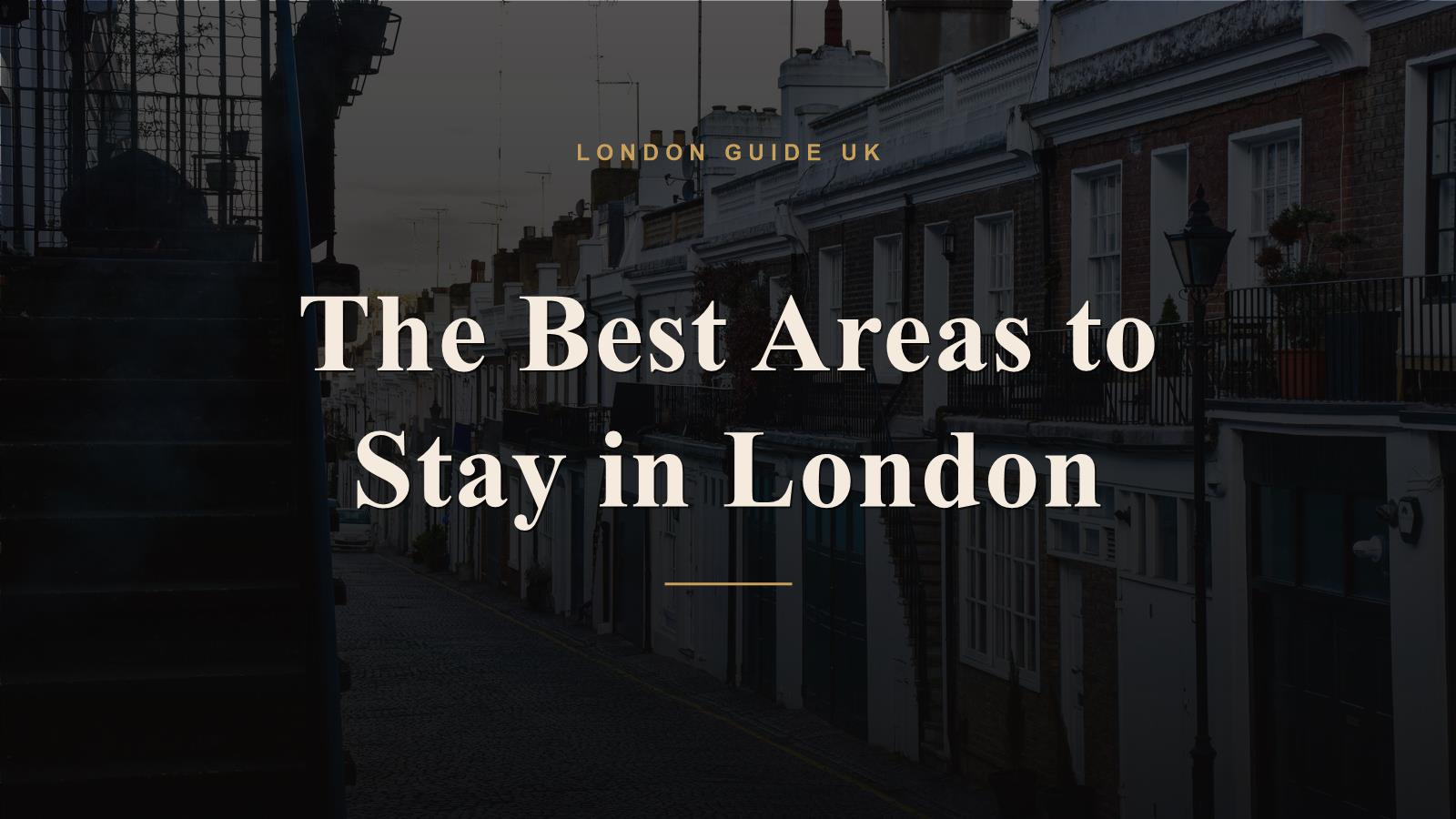
Where you choose to lay your head shapes the whole character of a London stay. The capital is a patchwork of villages, each with its own pace, architecture and rhythm, and the difference between waking in Mayfair and waking in Shoreditch is the difference between two entirely separate cities. For the discerning visitor, the question is not simply which postcode is grandest, but which one matches the trip you intend to have.
This guide walks through the areas that serve visitors best, from the theatre-lit heart of the West End to the riverside calm of the South Bank and the design-led energy of the East. Each has a distinct personality, a set of attractions on its doorstep and a kind of traveller it suits. Read on, then match the neighbourhood to your priorities. For where to book once you have chosen, our London hotels guides set out the options in detail.
Covent Garden and the West End
Covent Garden and the West End put you in the centre of everything, within walking distance of theatres, shops, galleries and restaurants. This is the ideal base for first-time visitors and culture lovers who want to step out of the hotel and straight into the action, with excellent transport links and a lively, polished atmosphere at almost any hour.
The West End is London's stage in every sense, from the cobbled piazza of Covent Garden to the bright sprawl of Leicester Square and Soho. You are moments from the Royal Opera House, the National Gallery on Trafalgar Square and the shopping of Oxford and Regent Street. Streets stay busy and well lit, which many visitors find reassuring, though those craving quiet may prefer somewhere calmer. Explore more in our London neighbourhoods guide and plan your days around nearby things to do across central London.
Mayfair
Mayfair is London at its most refined, a district of Georgian townhouses, art dealers and grand hotels between Hyde Park and Piccadilly. It suits visitors who value discretion, space and a sense of occasion, and who appreciate being close to the West End without the crowds pressing in. Expect elegance, calm streets and a price tag to match.
Few addresses carry the cachet of Mayfair. Bond Street and Savile Row anchor its reputation for tailoring and fine jewellery, while leafy squares such as Grosvenor and Berkeley lend a residential hush. The Royal Academy of Arts sits on its southern edge and Hyde Park is a short stroll west. For travellers who want central London with poise rather than bustle, this is the benchmark. See what lies within reach in our roundup of London attractions.
Knightsbridge and Kensington
Knightsbridge and Kensington offer green, gracious surroundings beside Hyde Park, with world-class museums and famous department stores nearby. They suit families, museum enthusiasts and anyone wanting a calmer, leafier base that is still well connected to the centre. The mood is genteel and unhurried, with handsome white stucco terraces lining quiet streets.
Knightsbridge is synonymous with Harrods and Harvey Nichols, while neighbouring South Kensington is home to a remarkable cluster of free national museums, including the Victoria and Albert, the Natural History Museum and the Science Museum. Kensington Gardens and Hyde Park provide acres of greenery on the doorstep. Always check the official website for current opening times and any timed-entry tickets before you visit, and browse our guide to London's museums to map your route.
South Bank and Southwark
The South Bank and Southwark run along the Thames opposite the West End, lined with major cultural venues and sweeping river views. They suit culture seekers and walkers who want landmarks at every turn and easy crossings to the north bank. The riverside promenade is one of London's great strolls, busy by day and atmospheric after dusk.
From the South Bank you can walk to Tate Modern, Shakespeare's Globe, the Southbank Centre and the London Eye, all strung along the water. Borough Market and the historic streets of Southwark add character and centuries of trading history. Bridges deliver you to St Paul's and the City in minutes. Check official websites for current times and tickets, and pair your stay with our London itineraries to make the most of the riverside.
The City
The City of London is the ancient financial core, where Roman walls meet glass towers and weekdays buzz before falling quiet at weekends. It suits visitors who want historic landmarks, good value on weekend rates and swift transport across town. The contrast of medieval churches against modern skyscrapers gives the district a singular, dramatic character.
The City holds some of London's defining sights, among them St Paul's Cathedral, the Tower of London and the Museum of London's collections. Because it empties of office workers at weekends, hotels here can offer welcome value and unusually peaceful Saturday mornings. Transport hubs such as Liverpool Street and Bank put the rest of London within easy reach. Confirm opening hours and ticket details on each venue's official website before setting out.
Bloomsbury
Bloomsbury is the literary, academic quarter just north of the West End, defined by garden squares, Georgian terraces and the University of London. It suits independent travellers, readers and budget-conscious visitors who want central convenience in a quieter setting. The atmosphere is studious and serene, yet the bustle of the centre is only a short walk away.
Bloomsbury is best known as the home of the British Museum, one of the world's great collections and free to enter. Leafy squares such as Russell Square and Bedford Square give the area its calm, and King's Cross and St Pancras International sit on its northern edge for onward travel. It is a sensible, characterful base. See more nearby in our things to do in central London, and check the British Museum's official website for current times.
Shoreditch and East London
Shoreditch and East London are the city's creative heartland, full of street art, independent boutiques, markets and converted warehouses. They suit younger travellers and design-minded visitors who prize originality over tradition. The vibe is energetic, informal and forward-looking, with a grit and inventiveness you will not find in the grand central districts.
Shoreditch sits on the edge of the City, so you keep good access to central landmarks while enjoying a distinctly independent atmosphere. Brick Lane, Columbia Road and Spitalfields Market reward weekend wandering, and the area's galleries and concept stores reflect its design pedigree. It is well placed for exploring the wider East End. Discover the area in our London neighbourhoods guide.
Who should stay where
The right area depends on what you most want from your stay. As a quick guide, match your priorities to the districts below and let that steer your search before you compare specific properties in our London hotels guides.
- First-time visitors: Covent Garden and the West End, for everything on your doorstep.
- Luxury and discretion: Mayfair, for grandeur and calm in equal measure.
- Families and museum lovers: Knightsbridge and Kensington, for parks and world-class collections.
- Culture and river views: South Bank and Southwark, for landmarks along the Thames.
- Weekend value and history: the City, quiet on Saturdays and rich in heritage.
- Readers and independent travellers: Bloomsbury, central yet serene.
- Creative and design-led stays: Shoreditch and East London, for originality and markets.
Best areas to stay in London FAQ
Which area is best for first-time visitors?
Covent Garden and the wider West End are the surest choice for a first visit. You are walking distance from theatres, galleries, shops and restaurants, with excellent transport links in every direction. The area is lively and well lit, making it easy and reassuring to find your bearings.
Where should families stay in London?
Knightsbridge and Kensington are ideal for families, with Hyde Park and Kensington Gardens on the doorstep and several free national museums close by, including the Natural History Museum. The streets are calm and leafy, yet central London remains a short journey away. Check museum websites for current times and any timed entry.
Which area offers the best value?
The City can offer strong value, particularly at weekends when its office workers depart and hotels grow quiet. Bloomsbury is another sensible option, central yet calmer and traditionally favoured by budget-conscious travellers. Both keep you well connected, so you spend less without sacrificing access to the sights.
Where should I stay for a creative, independent feel?
Shoreditch and East London are the place for an independent, design-led stay. Expect street art, concept stores, converted warehouses and famous markets such as Brick Lane and Columbia Road. Sitting just beyond the City, the area keeps you close to central landmarks while offering a distinctly original atmosphere.
Where to go next
With your area chosen, the next step is finding the right property. Compare your options in our London hotels guides, get a feel for each district in our London neighbourhoods guide, and start filling your days with the best things to do and unmissable London attractions. When you are ready to plan day by day, our London itineraries tie it all together.
Still mapping out the trip? Read how to plan a trip to London and our quick take on choosing your neighbourhood.
Choosing where to stay often comes down to who you are travelling with. Our London for every traveller guides cover solo, family, accessible, gentler-paced and luxury trips.