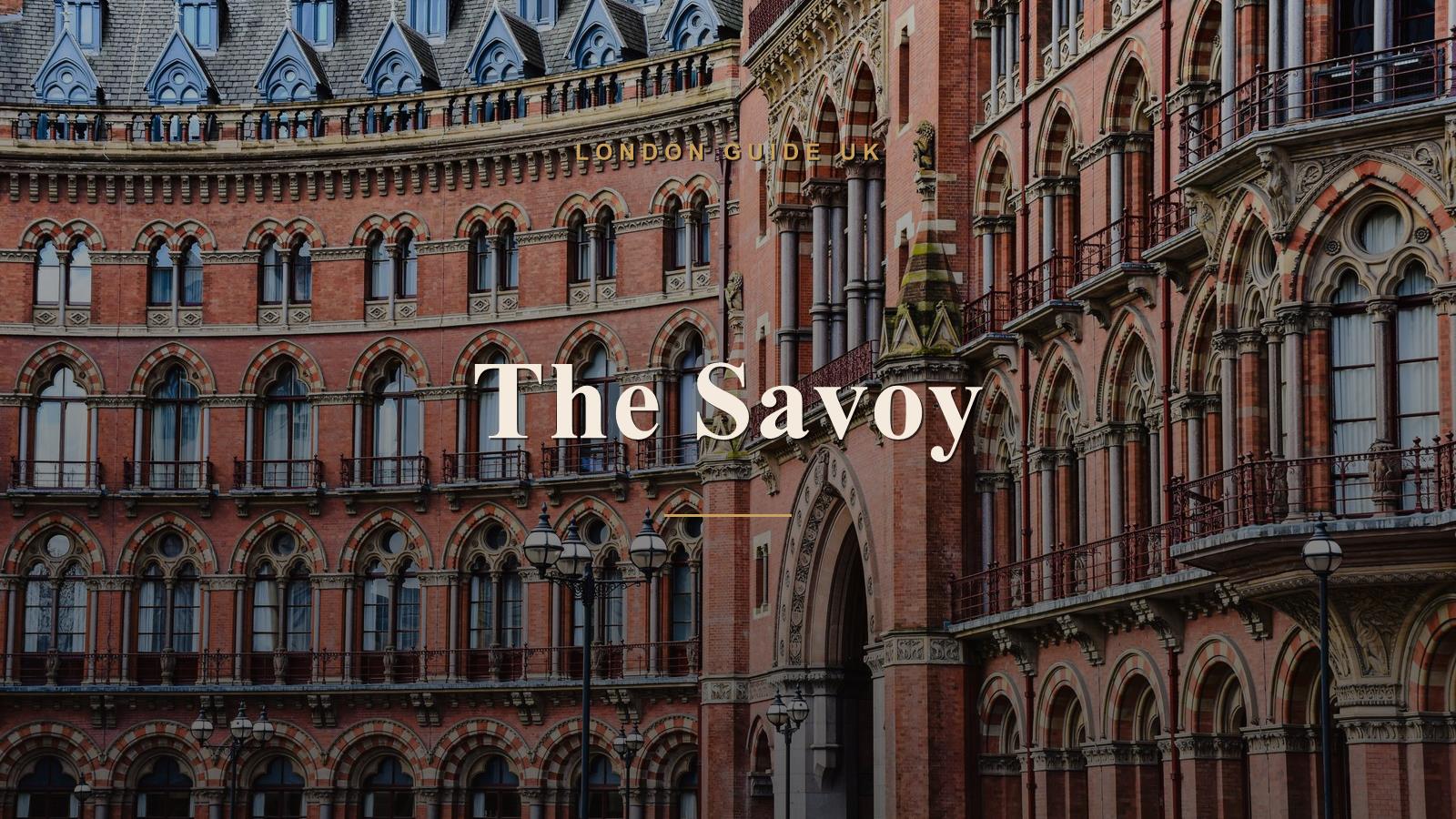
The Savoy stands on the Strand, a short walk from Covent Garden and the River Thames, occupying one of the most storied addresses in London. Opened in 1889 by impresario Richard D'Oyly Carte, it was the capital's first luxury hotel built with electric lighting, lifts and abundant private bathrooms. For the visitor, it is far more than a place to stay. The Savoy is a working monument to London's appetite for innovation and grandeur, where Edwardian opulence meets the clean geometry of Art Deco, and where the city's cultural and theatrical history is woven into the fabric of the building itself.
Why visit The Savoy
The Savoy is worth visiting because it is a living landmark of London's social and design history, the city's first true grand hotel, set beside the Thames and the West End theatre district. Its public rooms, river views and famous frontage let curious visitors experience a piece of that heritage without booking a room, simply by walking through one of London's most distinctive entrances.
Few buildings capture the confidence of late Victorian and early twentieth century London so completely. The hotel was funded by the profits of the Gilbert and Sullivan operas staged next door at the Savoy Theatre, and it quickly became a gathering place for artists, actors, statesmen and writers. To step inside is to walk through the same spaces that have hosted royalty, film stars and inventors, all within a stone's throw of the river that shaped the city.
Highlights and what to see
Even a brief visit rewards the eye. The building blends two great decorative eras, and its details repay a slow, attentive look.
- The Savoy Court approach, the short private road off the Strand famous as the only street in Britain where traffic is directed to drive on the right.
- The illuminated Savoy stainless steel sign and Art Deco entrance canopy, an instantly recognisable piece of London street furniture.
- The grand Front Hall and public lounges, where Edwardian proportions meet polished interwar styling.
- The American Bar, one of the oldest surviving cocktail bars in the world and a cornerstone of London's drinking history.
- The adjoining Savoy Theatre, birthplace of the Gilbert and Sullivan comic operas and the first public building in the world lit entirely by electricity.
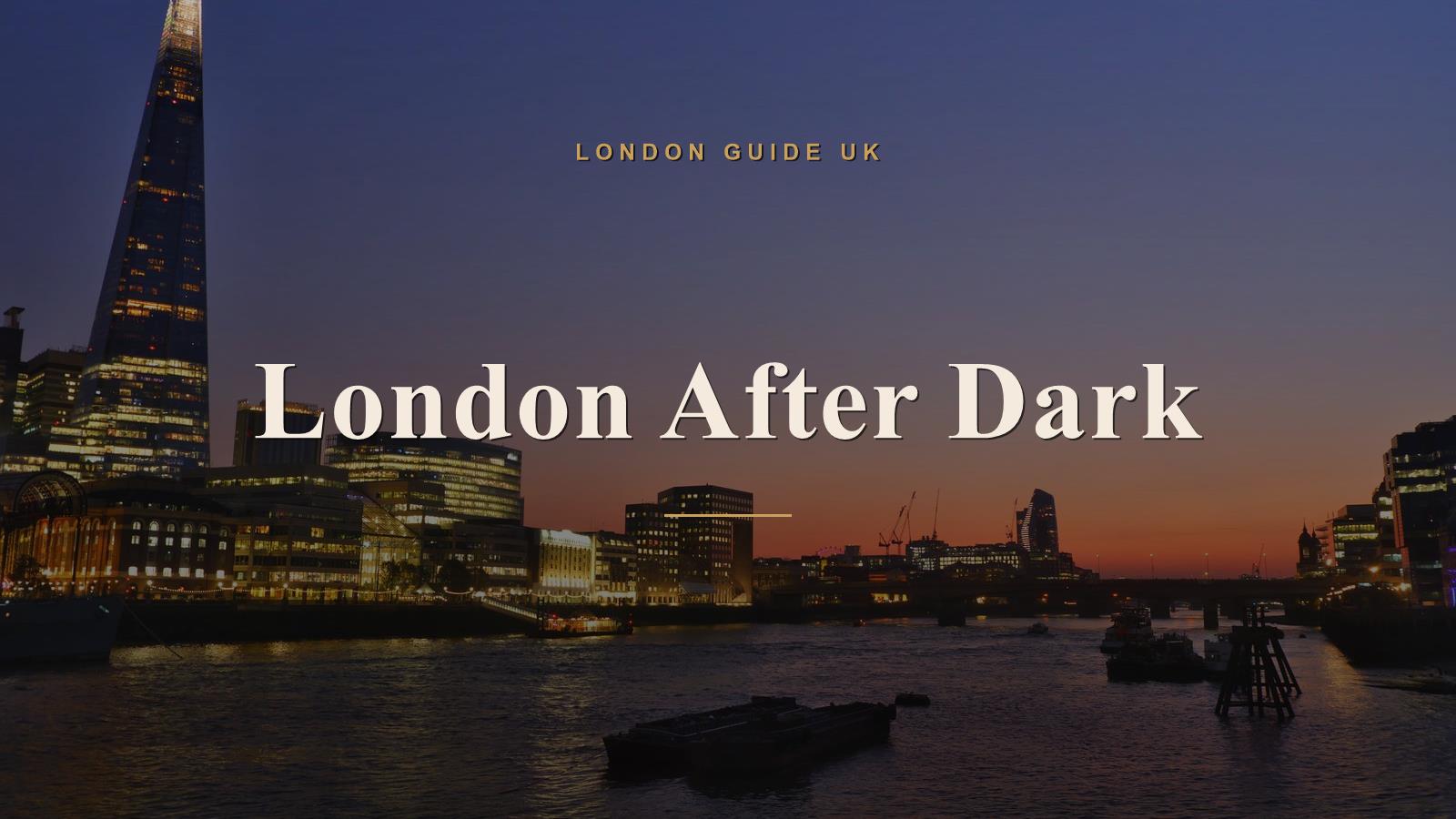
- Riverside views toward the Thames, the Victoria Embankment gardens and the South Bank skyline beyond.
How to visit
The Savoy sits on the Strand in the WC2 postcode, between Covent Garden and the river. The nearest Underground stations are Charing Cross (Bakerloo and Northern lines), Embankment (Bakerloo, Circle, District and Northern lines) and Temple (Circle and District lines), each only a few minutes on foot. Charing Cross is also a mainline rail terminus, making arrival straightforward from across the city and beyond.
The hotel is a private business rather than a ticketed attraction, so casual visitors should be respectful of guests and staff. The public bars and dining rooms may be enjoyed by non residents, though access can depend on bookings and dress codes. For current information on reservations, dining, the bars and any tours or events, visitors should check the hotel's official website for the latest details before planning a trip.
What's nearby
The Savoy's location places much of central London within easy reach. Covent Garden, with its piazza, market building and street performers, lies just to the north. Walking east along the Strand leads toward Somerset House and the Royal Courts of Justice, while a short stroll west reaches Trafalgar Square and the National Gallery. Cross the river by the Golden Jubilee Bridges and you arrive at the South Bank, home to the Southbank Centre and riverside walks. The green spaces of the Victoria Embankment Gardens sit directly below the hotel, offering a quiet pause beside the Thames.
The Savoy FAQ
Where is The Savoy?
The Savoy is on the Strand in central London, in the WC2 district between Covent Garden and the River Thames. It is reached via Savoy Court, the short private road off the Strand. The nearest Underground stations are Charing Cross, Embankment and Temple, all within a few minutes' walk of the entrance.
Why is The Savoy historically important?
The Savoy was London's first luxury hotel, opened in 1889 with electric lighting, lifts and en suite bathrooms that were revolutionary for the time. Funded by the profits of the Gilbert and Sullivan operas, it set the standard for grand hotels worldwide and remains a landmark of British hospitality and design history.
Can visitors go inside without staying?
Yes, the public areas such as the bars and dining rooms can often be enjoyed by non residents, subject to reservations and dress codes. As a working hotel it is not a free public attraction, so visitors should be considerate of guests. Check the official website for current booking and access arrangements.
What is The Savoy known for architecturally?
The Savoy is celebrated for blending Edwardian grandeur with Art Deco styling, seen in its public rooms, the famous stainless steel entrance sign and its riverside frontage. The adjoining Savoy Theatre was the first public building lit entirely by electricity, underlining the hotel's pioneering place in design and engineering.
Plan your visit
Continue your research with our wider guide to London's grand hotels and where to stay, then plan the day around it. Pair a visit with the surrounding West End neighbourhoods and the cultural attractions along the Strand and South Bank to make the most of this historic riverside corner of the city.