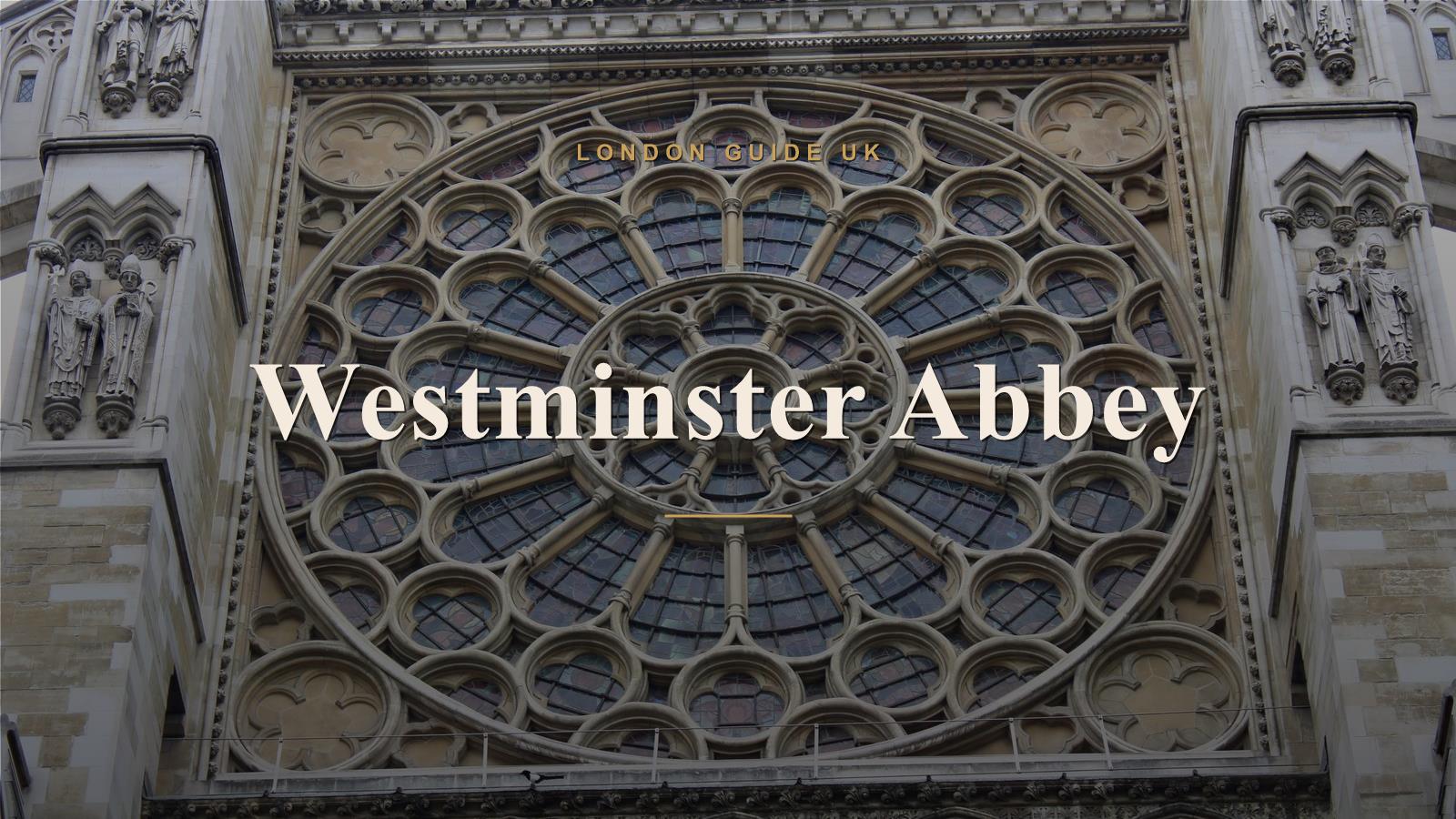
Westminster Abbey is the great Gothic church at the heart of Westminster, the coronation place of English and British monarchs for almost a thousand years. Standing beside the Houses of Parliament and within sight of Big Ben, it is at once a working church, a royal mausoleum and one of the most layered historical buildings anywhere in the country. For the visitor, it offers a rare chance to walk through the burial place of kings, queens, poets and scientists in a single afternoon, all under one of the tallest medieval ceilings in England.
Why visit Westminster Abbey
Westminster Abbey rewards visitors because it gathers a millennium of British history into one extraordinary interior, where every coronation since 1066 has taken place and where monarchs, statesmen, writers and scientists lie buried. It is part royal church, part national memorial and part working place of worship, and few buildings in London match its depth of association.
The Abbey is the setting for the great ceremonial moments of the nation, from coronations and royal weddings to state funerals. Yet beyond the pageantry it is a place to move slowly through soaring vaulted aisles, reading the names carved into floor and wall. The sheer concentration of memory here, religious, royal and cultural, makes it one of the essential stops for anyone serious about understanding London and its past.
What to see at Westminster Abbey
The Abbey is dense with detail, and it pays to know what to look for before you arrive. Among the highlights worth seeking out:
- The Coronation Chair, used in the crowning of monarchs for some seven centuries and one of the oldest pieces of furniture in Britain still used for its original purpose.
- The Lady Chapel of Henry VII, with its astonishing fan-vaulted ceiling, often considered one of the finest examples of late Gothic architecture in Europe.
- Poets' Corner, the resting place and memorial site of writers including Geoffrey Chaucer, Charles Dickens and many of the great names of English literature.
- The graves of scientists, among them Sir Isaac Newton and Charles Darwin, gathered near the choir.
- The Grave of the Unknown Warrior, the only floor stone in the Abbey that visitors are asked never to walk across.
- The Shrine of Edward the Confessor, the saint-king whose church stood here before the present building.
- The Cosmati Pavement, the rare medieval mosaic floor before the High Altar.
- The Queen's Diamond Jubilee Galleries, high in the medieval triforium, offering views down into the church and across to the Palace of Westminster.
How to visit Westminster Abbey
Westminster Abbey stands on Parliament Square in the City of Westminster, directly opposite the Houses of Parliament. The nearest Underground station is Westminster, served by the Jubilee, District and Circle lines and just a few minutes' walk away. St James's Park station, on the District and Circle lines, is also close by, and numerous bus routes pass through the area.
Westminster Abbey is a popular and busy attraction, so it is sensible to allow a couple of hours for a proper visit and to book ahead where possible. As a Royal Peculiar and a living church, it occasionally closes to sightseeing for services and special events, and photography rules vary by area. Tickets, opening times and any service-related closures change, so always confirm the latest details on the official Westminster Abbey website before you travel. A multimedia guide is usually included with admission and helps make sense of the many monuments. You will find more general help with timings and transport in our practical guide to London.
What's nearby
The Abbey sits in one of the richest corners of London for sightseeing. Directly opposite are the Houses of Parliament and the Elizabeth Tower that houses Big Ben, while Westminster Bridge leads across the Thames towards the South Bank. A short stroll up Whitehall brings you to Downing Street, the Cenotaph and Horse Guards, ending at Trafalgar Square. St James's Park lies just to the north, offering a green route towards Buckingham Palace. The concentration of landmarks makes it easy to fold the Abbey into a wider day exploring Westminster's leading attractions on foot.
Westminster Abbey FAQ
Is Westminster Abbey free to enter?
Westminster Abbey normally charges admission for sightseeing visits, and tickets help maintain the building and its work. Those attending a service may enter without paying for worship, though access to the wider Abbey as a visitor differs. Prices change, so check the official website for current ticket information before you plan your visit.
How long should I spend at Westminster Abbey?
Most visitors find that around an hour and a half to two hours allows a comfortable visit, taking in the nave, Poets' Corner, the royal tombs and the Lady Chapel. If you wish to climb to the Diamond Jubilee Galleries or explore at a slower pace, allow extra time. Arriving early in the day usually means smaller crowds.
Who is buried at Westminster Abbey?
The Abbey holds the tombs and memorials of many monarchs, including Elizabeth I and Mary I, alongside statesmen, scientists such as Isaac Newton and Charles Darwin, and the writers commemorated in Poets' Corner. The Grave of the Unknown Warrior honours the unidentified dead of war. In all, more than three thousand people are buried or memorialised here.
What is the nearest Underground station to Westminster Abbey?
The closest station is Westminster, on the Jubilee, District and Circle lines, a short walk across Parliament Square. St James's Park, on the District and Circle lines, is also nearby and convenient if you are combining the Abbey with a walk through the royal park. Both leave you within easy reach of the Abbey's entrance.
Plan your visit
Westminster Abbey pairs naturally with the other great landmarks of the capital. Browse more of London's essential attractions to build your route, see our London itineraries for ready-made walking days through Westminster, and check the practical guide for transport and planning advice before you set out.