Last updated:
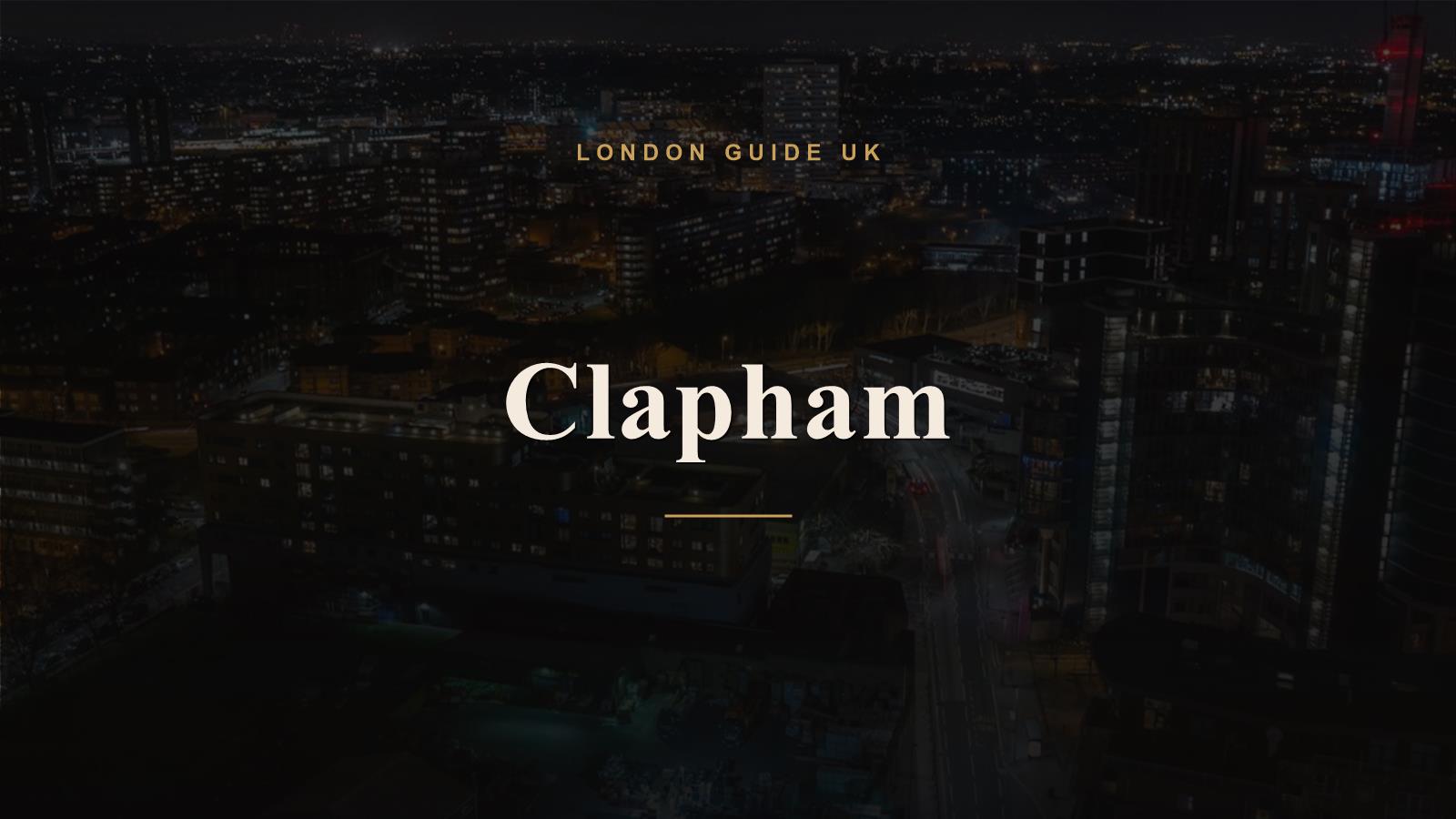
Clapham sits in south-west London, a district defined by its vast open common and a high street that hums from breakfast until late. For the visitor who wants to see how Londoners actually live, work and unwind away from the central tourist circuit, Clapham offers green space, Georgian and Victorian streets, independent shops and an easy run into the centre by Underground. This guide covers what to see, how to get there and how to spend a half-day or longer in the area.
Why visit Clapham
Clapham appeals to visitors who want an authentic residential London rather than a polished sightseeing strip. Its draw is the combination of a huge, walkable common, a busy independent high street, handsome period architecture and excellent transport links. It works well as a relaxed half-day, a green break between central attractions or a base for exploring south London.
The area carries a long history. Clapham was a fashionable village retreat for wealthy Londoners in the eighteenth and nineteenth centuries, and the grand houses around the common still reflect that era. It was also home to the Clapham Sect, the influential group of social reformers associated with the campaign to abolish the slave trade, who worshipped at Holy Trinity Church on the common.
Clapham Common
Clapham Common is a large triangular green space of around 220 acres, with open grassland, mature trees, three ponds and tree-lined walking paths. It is the heart of the neighbourhood and a genuine London lung, used year-round for walking, cycling, running, football and picnics. The common hosts seasonal events and funfairs and is bordered by some of the area's finest houses.
Things worth seeking out on and around the common:
- The bandstand, a Victorian structure that is among the largest of its kind in London and a natural meeting point.
- The ponds, long used for model boating and a haven for waterfowl.
- Holy Trinity Clapham, the church on the north side linked to the anti-slavery campaigners of the Clapham Sect.
- The grand period houses lining the common's edges, particularly along the north side.
The high street and shopping
Clapham High Street and the surrounding streets form a lively retail and eating district that mixes independent shops with familiar names. Around Clapham Old Town and the streets off the common you will find boutiques, delis, bookshops, homeware stores and cafes, while the high street itself runs busy into the evening. It is a good place to browse rather than tick off landmarks.
For a sense of the area's character, focus your wandering on:
- Clapham Old Town, the historic core near the common with independent shops and period buildings.
- Northcote Road, just to the west towards Battersea, known for its market stalls, food shops and independent retailers.
- The Venn Street area, home to a regular weekend food market and an independent cinema.
- Abbeville Village, a quieter pocket of independent shops and eateries south of the common.
Eating and drinking
Clapham is one of south London's strongest dining neighbourhoods, with a dense spread of restaurants, gastropubs, cafes and street food across the high street, Old Town and Abbeville. The mix runs from long-standing local pubs to international kitchens and casual brunch spots, so it suits anything from a quick coffee to a leisurely lunch after a walk on the common.
The weekend food market on Venn Street is a reliable spot for hot street food and local produce, and the traditional pubs around the Old Town and common are an easy way to rest mid-walk. For broader options across the capital, see our London restaurants guide and the markets guide.
Getting to Clapham
Clapham is well connected to central London by Underground and rail. The Northern line serves Clapham Common, Clapham North and Clapham South stations, running directly to the West End and the City. Clapham High Street and the major interchange at Clapham Junction, just to the west, add frequent Overground and National Rail services across south London and beyond.
- Northern line: Clapham Common, Clapham North and Clapham South for the high street and the common.
- Clapham High Street: London Overground, a short walk from the main shopping streets.
- Clapham Junction: one of Britain's busiest interchanges, a little to the west, useful for rail connections although it is closer to Battersea.
- Numerous bus routes cross the common and run along the high street.
Note that Clapham Common, Clapham North and Clapham South are the stations in the heart of the district, while Clapham Junction, despite the name, lies further west and is more convenient for Battersea and northern Clapham.
When to visit and what to pair it with
Clapham is best enjoyed on a dry day when the common comes into its own, and weekend mornings are ideal for the food markets and a relaxed brunch. It pairs naturally with neighbouring south London districts, making it easy to build a half-day into a wider exploration of the area rather than treating it as a single destination.
Good pairings within easy reach include Wimbledon further south-west, with its own great common and village, and the creative quarter of Peckham to the east. For more areas to explore, browse the full London neighbourhoods guide.
Clapham FAQ
Is Clapham worth visiting as a tourist?
Clapham is worth visiting if you want to see residential, everyday London rather than the central sights. Its appeal lies in the large common, the lively independent high street and the period architecture. It suits a relaxed half-day or a green break, but it is not a conventional landmark-heavy district.
How do I get to Clapham from central London?
The quickest route is the Northern line, which runs directly from the West End and the City to Clapham Common, Clapham North and Clapham South. The journey from the centre is short. London Overground and National Rail services also serve the area, with major connections at nearby Clapham Junction.
Is Clapham Junction in Clapham?
Despite its name, Clapham Junction station is not in the centre of Clapham. It sits to the west, closer to Battersea, and is one of Britain's busiest rail interchanges. For the common and the high street, the Northern line stations named Clapham are more convenient and central to the district.
What is there to do in Clapham?
The main draw is Clapham Common, ideal for walking, picnics and seasonal events. Beyond it, you can browse independent shops in Clapham Old Town and Abbeville Village, visit the weekend food market on Venn Street, see Holy Trinity Church and explore the area's handsome Georgian and Victorian streets.
How long should I spend in Clapham?
A half-day is enough to enjoy Clapham at a relaxed pace, combining a walk on the common with browsing the high street and a meal. If you want to add a market visit or pair it with a neighbouring district such as Wimbledon or Peckham, allow a full day for the wider south London area.
Where to go next
- Explore more areas in our London neighbourhoods guide.
- Head south-west to leafy Wimbledon, with its common and village.
- Discover the creative scene in Peckham to the east.